UK on Alert as New IRA Allegedly Plans Campaign to Force Migrants from Ireland
- Staff Correspondent
- Aug 9
- 3 min read
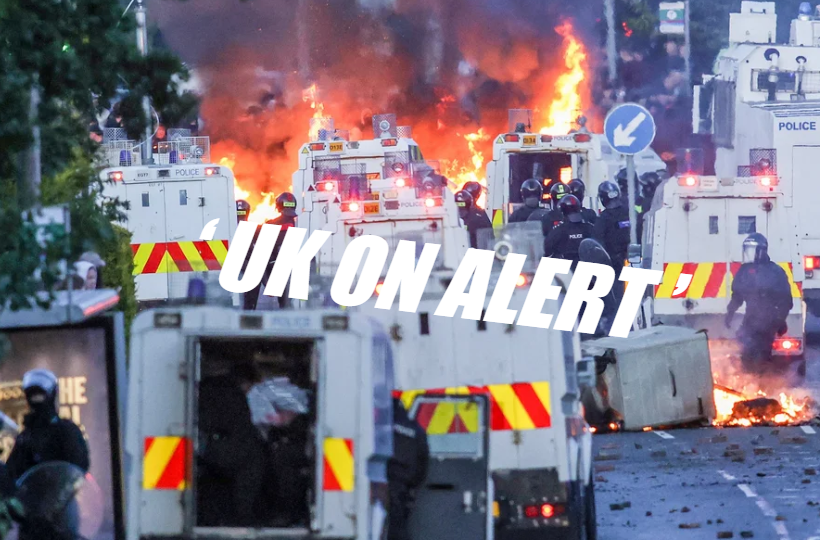
Intelligence officials have warned that the New IRA, a dissident republican group, is preparing a campaign of violent intimidation aimed at driving migrants out of Ireland. The claims, first reported by the Mail on Sunday and amplified by GB News, raise concerns of potential spillover effects across the border into the United Kingdom.
According to sources briefed on the matter, the group has two primary objectives: advancing Irish unification and removing migrants from the island. Officials link the shift partly to an internal power struggle among republican factions, with newer elements pushing for more aggressive anti-migrant tactics alongside traditional republican aims.
A social media video circulating on a far-right platform last week featured an unidentified man claiming the IRA would issue direct ultimatums to “illegal migrants,” giving them 24 hours to leave and framing the action as the start of “civil war.” The speaker referenced the group’s historical effectiveness during the Troubles and suggested authorities would be forced to take notice.
The reported plot comes against a backdrop of heightened community tensions. In June 2026, the stabbing of Stephen Ogilvie in north Belfast—leaving the 44-year-old with severe injuries including the loss of one eye—sparked two nights of riots and anti-migrant disorder. The suspect, Hadi Alodid, a 30-year-old man who claimed asylum after arriving via Europe, was charged with attempted murder. Graphic footage of the attack spread rapidly online, and subsequent unrest saw homes targeted, vehicles burned, and police officers injured. Northern Ireland Secretary Hilary Benn described the violence as “racist thuggery.”
Security sources note the New IRA has already been active in 2026. In March, the group claimed responsibility for forcing a delivery driver at gunpoint to take an improvised device to Lurgan PSNI station. In April, a similar hijacking led to a car bomb exploding outside Dunmurry police station. In July, Gardaí intercepted a significant bomb in a vehicle near Carrickmacross in the Republic of Ireland; a 25-year-old law student was among those charged in connection with the incident.
The New IRA emerged from the Real IRA (itself a 1997 split from the Provisional IRA) and merged with other dissident elements, including Republican Action Against Drugs, around 2012. Though far smaller than its predecessors—estimated at a few dozen active members and limited broader support—it has maintained a low-level campaign of attacks on security forces while rejecting the Good Friday Agreement. The United States designated it a Foreign Terrorist Organization in 2023.
UK authorities are monitoring the situation closely. A Home Office spokesman stated: “We have a close and collaborative working relationship with Ireland on migration and border security. This includes a mutual commitment to protect the Common Travel Area from abuse, delivered through joint work to identify and tackle migration trends as they emerge.” Fears centre on the possibility that intensified intimidation could push migrants northward across the open land border into Northern Ireland and the wider UK.
The reports highlight ongoing pressures in Ireland around housing, public services, and crime linked by some communities to high levels of migration and asylum arrivals. Successive Irish governments have introduced reforms, including the International Protection Act 2026 implementing the EU Migration and Asylum Pact, aimed at faster processing and stronger returns. Yet local frustration has persisted, creating space for both far-right agitation and opportunistic exploitation by residual paramilitary groups.
Dissident republican violence remains a fringe threat compared with the scale of the Troubles. Security assessments continue to treat the New IRA as capable of sporadic, dangerous attacks rather than sustained campaign capability. Any expansion into anti-migrant intimidation would mark a notable tactical evolution, combining traditional republican messaging with contemporary grievances over immigration.
As of 9 August 2026, neither the Irish government nor the PSNI has issued a detailed public response to the specific intelligence claims. Cross-border cooperation on both terrorism and migration remains the stated priority for London and Dublin.


Comments